Navigating the SEO Landscape: Essential Tools for Small Businesses in a Competitive Digital Arena

The proliferation of Search Engine Optimization (SEO) tools presents a unique challenge for small businesses. With finite resources and budget constraints, the quest for the right technology stack that ensures a competitive edge in search engine rankings without incurring exorbitant costs is a critical, often daunting, endeavor. According to HubSpot’s State of Marketing report, a significant 50% of small businesses identify their website, blog, and SEO as their most leveraged marketing channels. This underscores the paramount importance of organic search as a primary growth driver, making the selection of effective SEO tools not just beneficial, but essential. This comprehensive guide aims to equip business owners and SEO teams with the knowledge to discern the most suitable tools aligned with their specific objectives, enabling the construction of a technology stack that yields measurable results. It offers recommendations for free tools to initiate immediate action, alongside a categorized breakdown of indispensable paid SEO software for small businesses when they are ready to invest.
Strategic Selection: Aligning SEO Tools with Business Objectives
The selection of SEO tools for digital marketing must be intrinsically linked to a business’s overarching goals, financial capacity, and the existing skill level of its team. There is no singular "best" SEO software that fits every small business. Instead, decision-makers should establish a clear framework of criteria that potential tools must meet. This structured approach simplifies the tool selection process. Several key considerations should guide this decision-making journey.
Charting Growth: Tooling Strategies for Diverse Business Aims
The specific online marketing tools a business requires are dictated by its immediate growth objectives. A company launching its inaugural website will have different priorities than one focused on scaling its content production efforts. Understanding these varied growth goals can inform the selection of appropriate tools:

| Goal | Recommended Tool Focus |
|---|---|
| Launching a New Website | Begin with auditing tools to establish a baseline and identify areas for improvement. |
| Increasing Organic Traffic Conversions | Prioritize tools for in-depth keyword research and content optimization. |
| Rectifying Ranking or Visibility Declines | Start with technical SEO audit tools to diagnose and resolve underlying issues. |
| Competing in Local Markets | Focus on tools specializing in local SEO and Google Business Profile management. |
| Demonstrating ROI to Stakeholders | Lead with robust analytics and reporting tools to showcase performance and value. |
Matching Tools to SEO Pillars
SEO is a multifaceted discipline, encompassing on-page optimization, technical SEO, and backlinking strategies. Each of these pillars often has specialized tool sets. Businesses should aim to match their tool selections to these categories, identifying which tools offer the most comprehensive functionality or overlap across multiple areas. This is particularly crucial for small businesses seeking cost-effective solutions. The major SEO tool categories to consider include:
- Keyword Research Tools
- Technical SEO and Site Audit Tools
- Content Optimization and On-Page Tools
- Backlink Research and Outreach Tools
- Rank Tracking Tools
- Local SEO Tools
- Analytics and Reporting Tools
It is advisable not to acquire tools for every category immediately. Prioritize the categories that most directly align with your current growth objectives and expand from there. The ultimate goal is to ensure that SEO software drives tangible growth and is actively utilized by the team.
Integration and Usability: The Human Factor
The financial outlay for tool subscriptions can accumulate significantly, and the effectiveness of these tools is diminished if team members are not actively using them. Therefore, consider how easily a new tool can be integrated into daily workflows and whether there is genuine enthusiasm for its adoption. Look for tools that offer:
- Intuitive user interfaces
- Clear documentation and support resources
- Seamless integration with existing software (e.g., CRM, CMS)
- Customizable dashboards and reporting
Budgetary Considerations: Balancing Cost and Capability
Budget often serves as a primary determinant in tool selection. If a tool is financially unfeasible, alternative solutions must be explored. The following table outlines common situations and provides recommendations on whether free or paid solutions are more appropriate:
| Situation | Recommendation |
|---|---|
| Just starting and learning the basics | Start with free tools. |
| Require data beyond free tool limitations, and the tool is actively used | Consider a paid solution. |
| Team lacks SEO expertise and needs guided recommendations | Invest in paid tools with educational resources. |
| Need to report results to clients or leadership | Start with free reporting tools, then consider paid options for advanced visualization. |
| Only need one specific function (e.g., rank tracking) | Utilize free tools for that specific function (e.g., Google Search Console). |
| Managing SEO across multiple pages, products, or locations | Paid tools often offer scalability and efficiency for complex management. |
| Need SEO data to connect with CRM or lead data | Paid tools or integrated platforms like HubSpot are recommended. |
Before committing to a new tool, meticulously review your current technology stack for any overlapping functionalities. Investing in a tool that duplicates the capabilities of an already utilized solution represents an unnecessary expense. A checklist for this evaluation might include:
- Does this tool solve a problem not addressed by current software?
- Can existing tools be leveraged more effectively to meet this need?
- What is the long-term cost of ownership for this tool?
- Does the tool offer a free trial or demo to assess its value?
Free SEO Tools: A Starting Point for Small Businesses
Free SEO tools provide an accessible entry point for small businesses, allowing them to initiate SEO efforts with minimal financial commitment and complexity. While they may not always offer the advanced capabilities required for large-scale operations, they are invaluable for establishing a foundational understanding and implementing basic strategies.
Keyword Research: Unearthing Search Opportunities
Effective keyword research is the bedrock of any successful SEO strategy, enabling businesses to understand what their target audience is searching for.
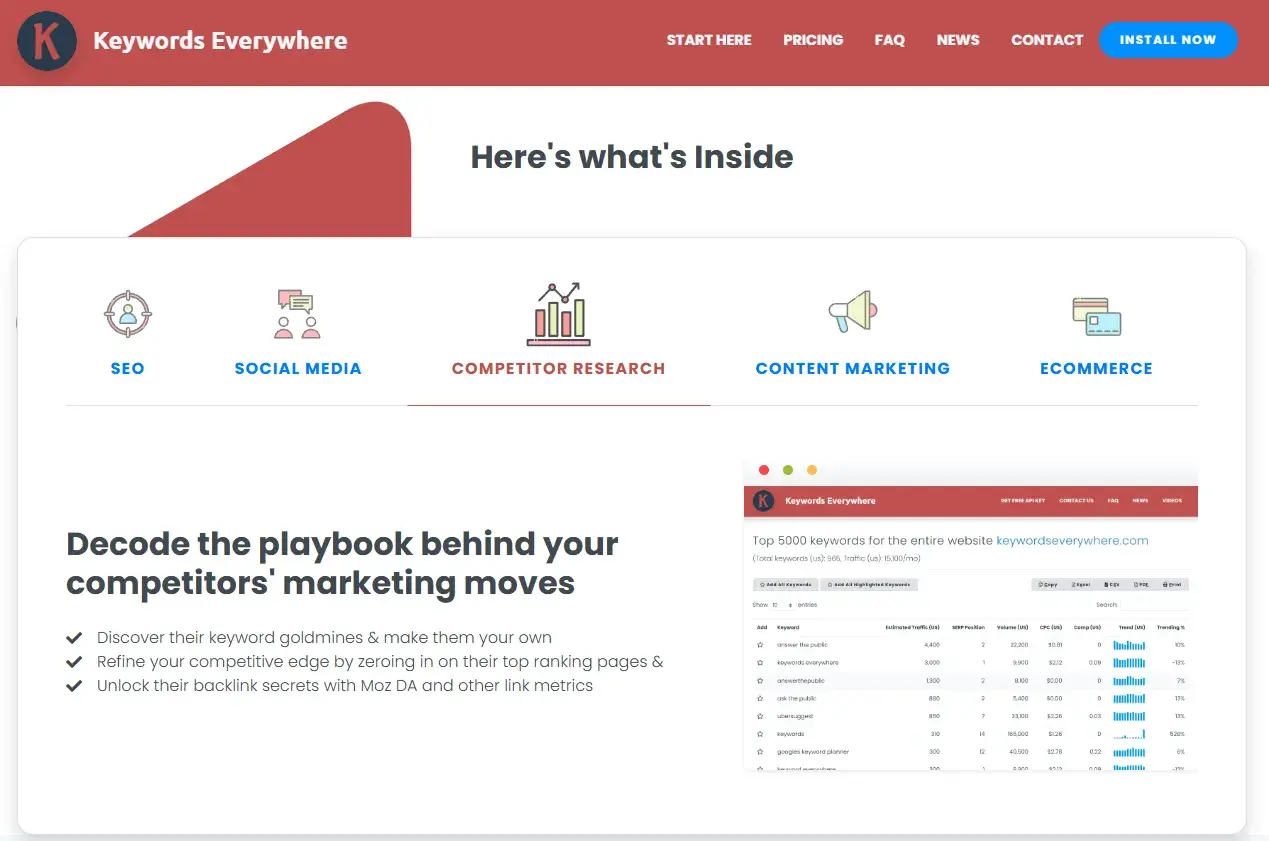
- Keywords Everywhere: This browser extension offers lightweight keyword insights directly within Google Search Results Pages (SERPs). It’s ideal for freelancers and small teams looking for quick keyword suggestions and related search terms without the need to navigate multiple platforms. While it has transitioned to a paid model, its affordability (starting at $7/month) makes it a worthwhile immediate investment for those who frequently research keywords.
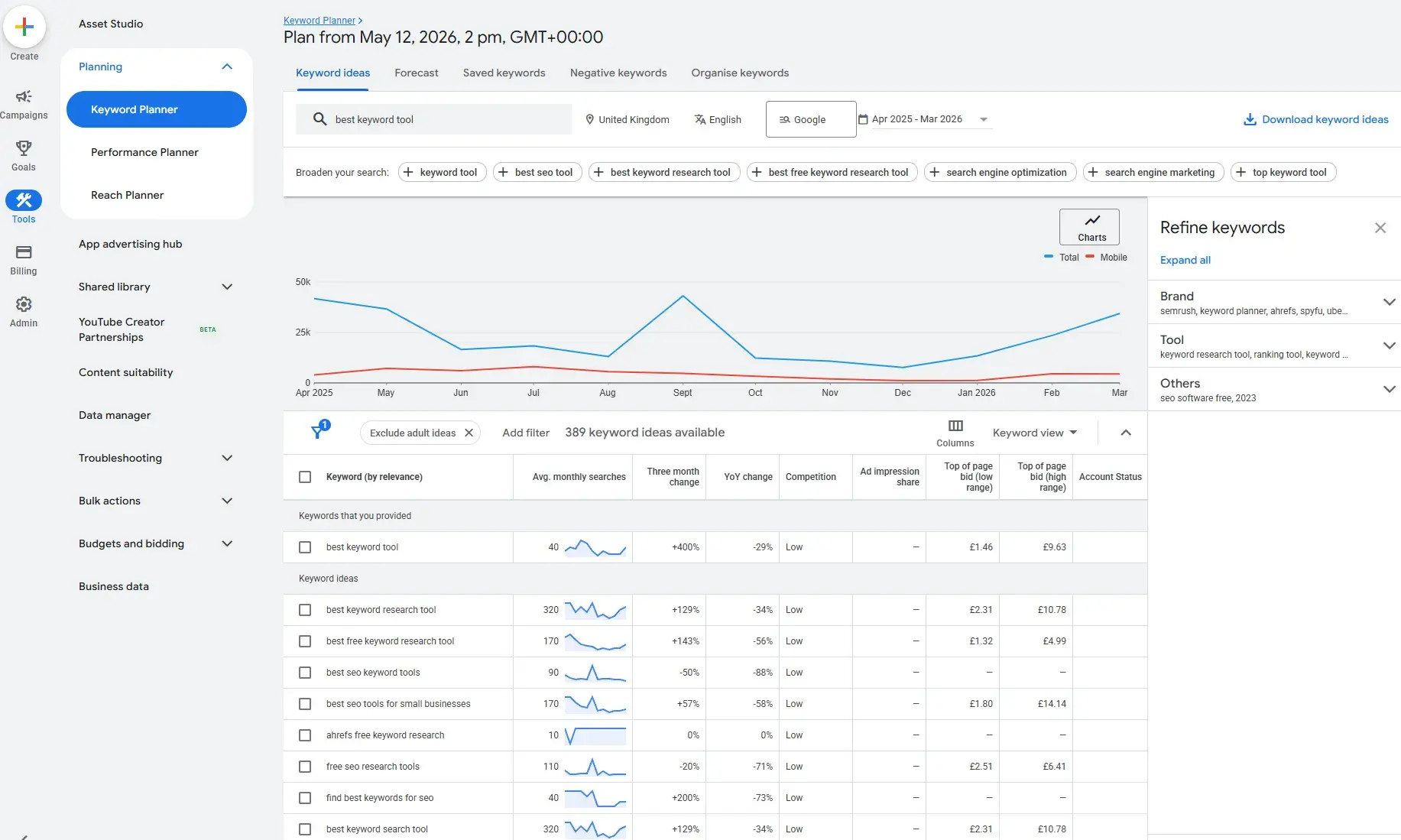
- Google Keyword Planner: A free component of Google Ads, this tool provides keyword ideas, estimated search volumes, and competition levels directly from Google. It’s an excellent starting point for small businesses, especially those already utilizing or planning to use Google Ads. While it requires setting up a Google Ads account, its findings are highly transferable to SEO. The platform’s limitations in user experience and advanced segmentation become apparent as businesses scale, prompting a move to more sophisticated paid tools.
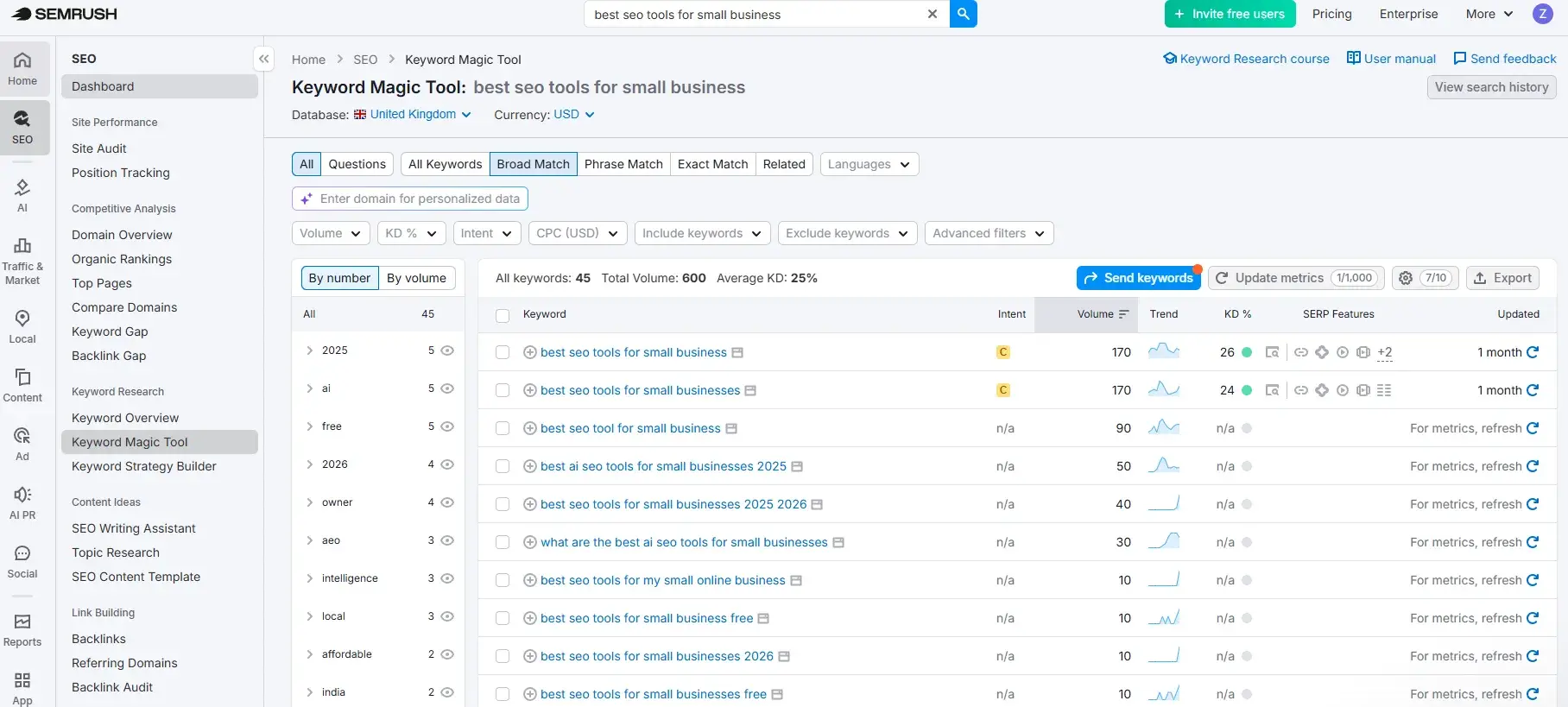
- Semrush (Free Version): Semrush offers a robust free version with limited daily searches, providing a glimpse into its comprehensive suite of SEO tools. For businesses ready to delve deeper into keyword strategy, competitor analysis, and technical SEO, upgrading to its paid plans (starting at $139/month) unlocks extensive databases and advanced features.
Technical SEO and Site Audits: Ensuring a Healthy Website
A technically sound website is crucial for search engine crawling and indexing. These tools help identify and rectify underlying issues that can hinder performance.
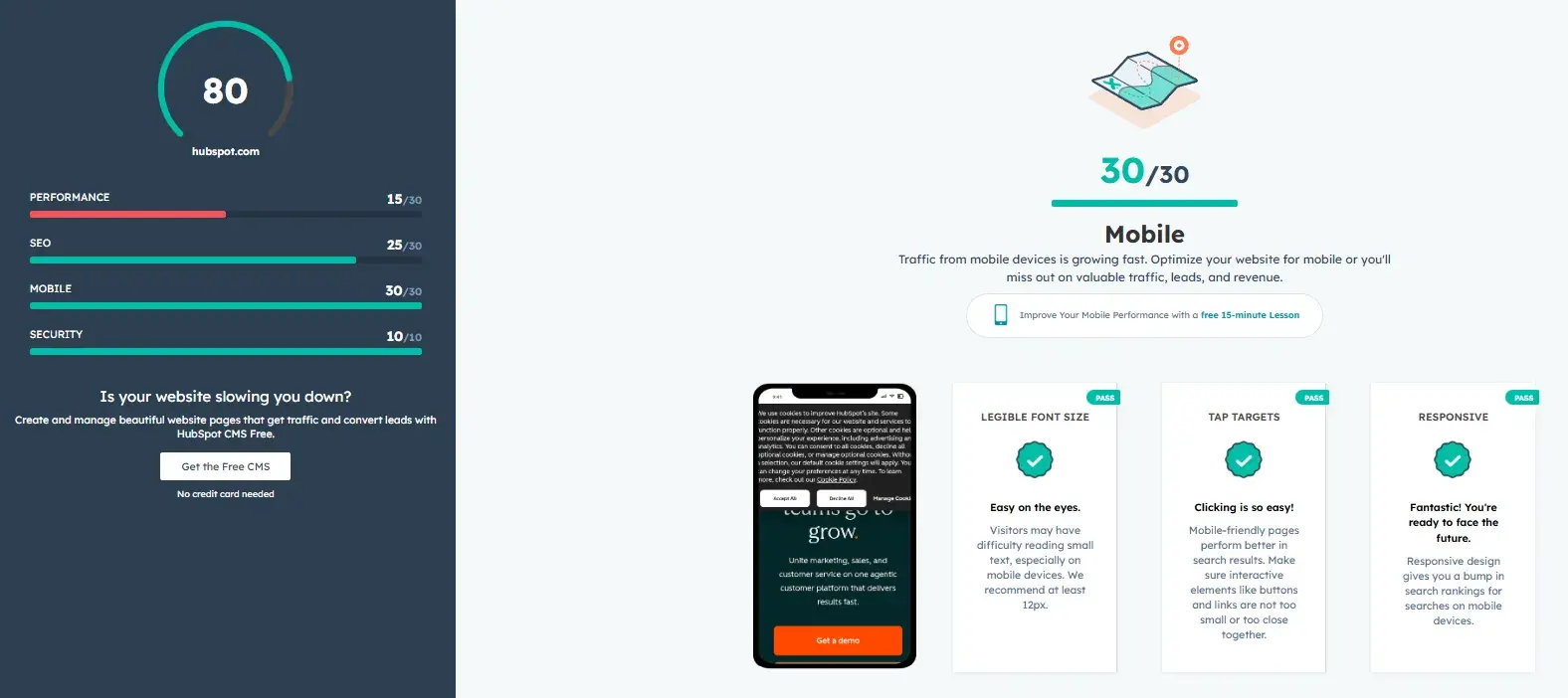
- HubSpot Website Grader: This complimentary tool provides a quick, jargon-free assessment of a website’s performance, SEO, mobile readiness, and security. It’s an excellent starting point for businesses conducting their initial technical audit or seeking to build a case for SEO investment internally. The actionable recommendations offered are easily understood and implemented.
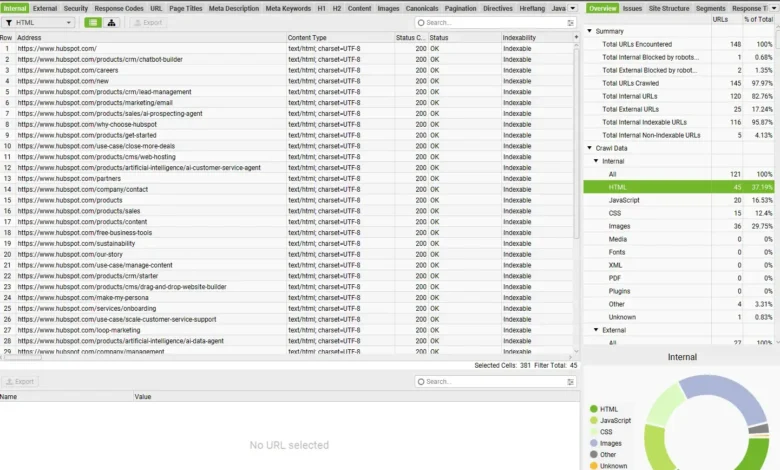
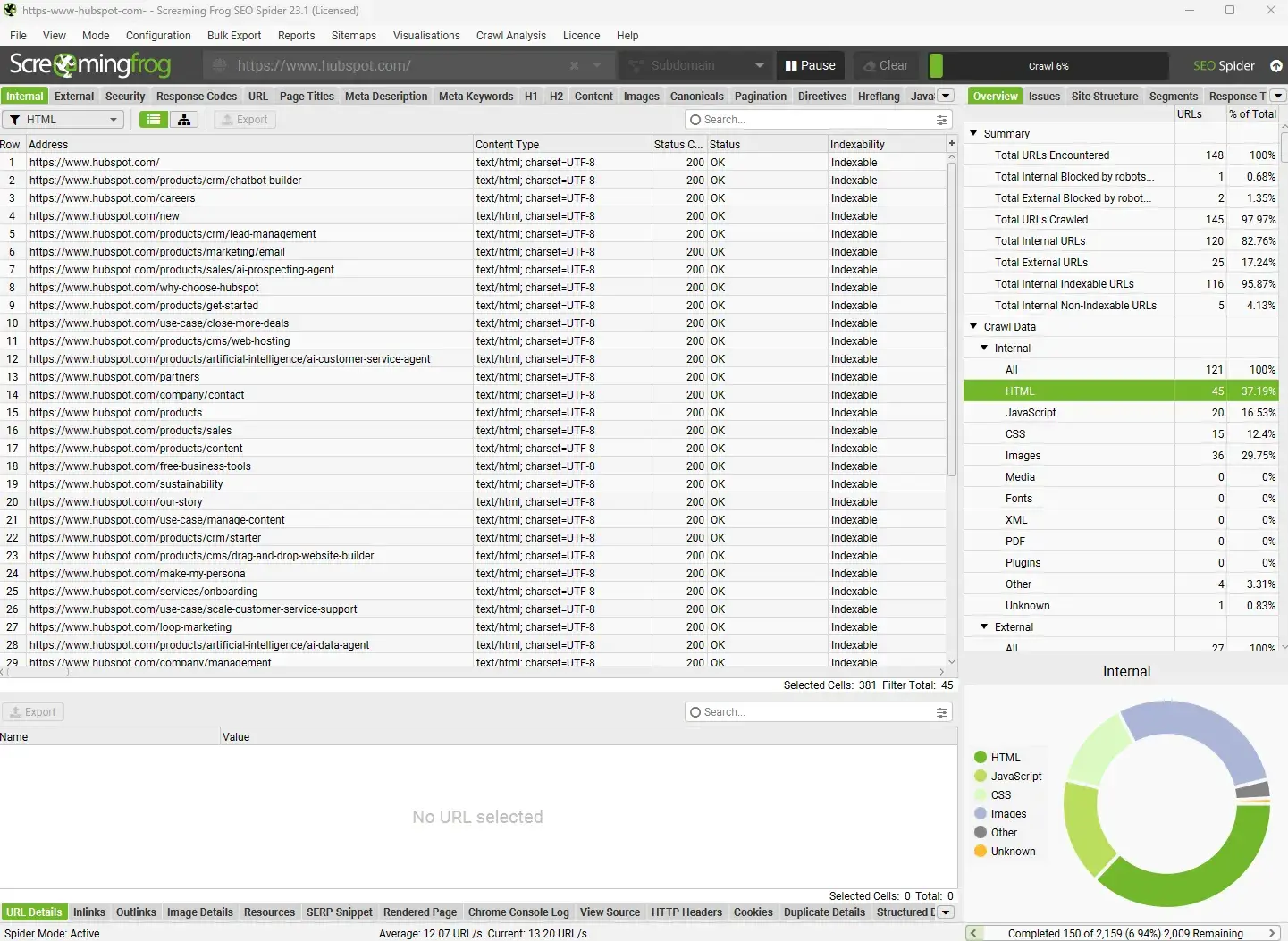
- Screaming Frog (Free Version): The free version of Screaming Frog is capable of crawling up to 500 URLs, providing detailed technical audits. For growing websites, upgrading to the paid version ($279/year) is essential for crawling larger sites, scheduling crawls, and integrating with other analytics platforms like Google Analytics and Google Search Console. Its technical depth makes it a powerful tool for those comfortable with detailed data analysis.
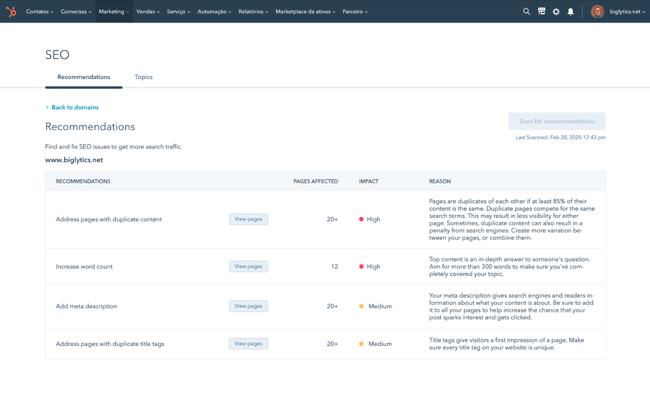
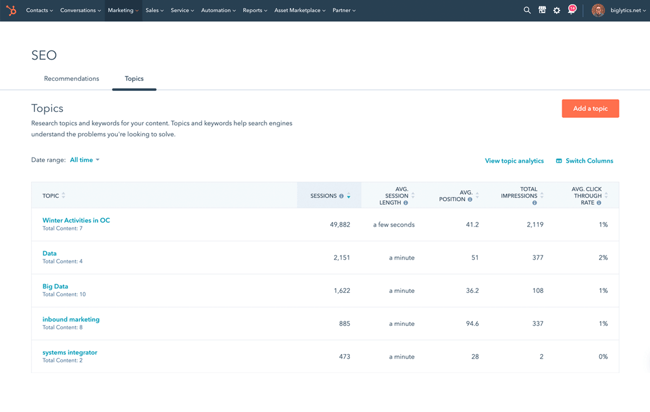
- HubSpot SEO Recommendations: Integrated within HubSpot’s Marketing Hub, these recommendations offer a guided approach to technical SEO. Available even in the free tier, they provide actionable insights tied to content and CRM data, making them particularly valuable for businesses already invested in the HubSpot ecosystem.
Content Optimization: Enhancing On-Page Relevance
These tools assist in refining content to improve its relevance and visibility in search engine results.
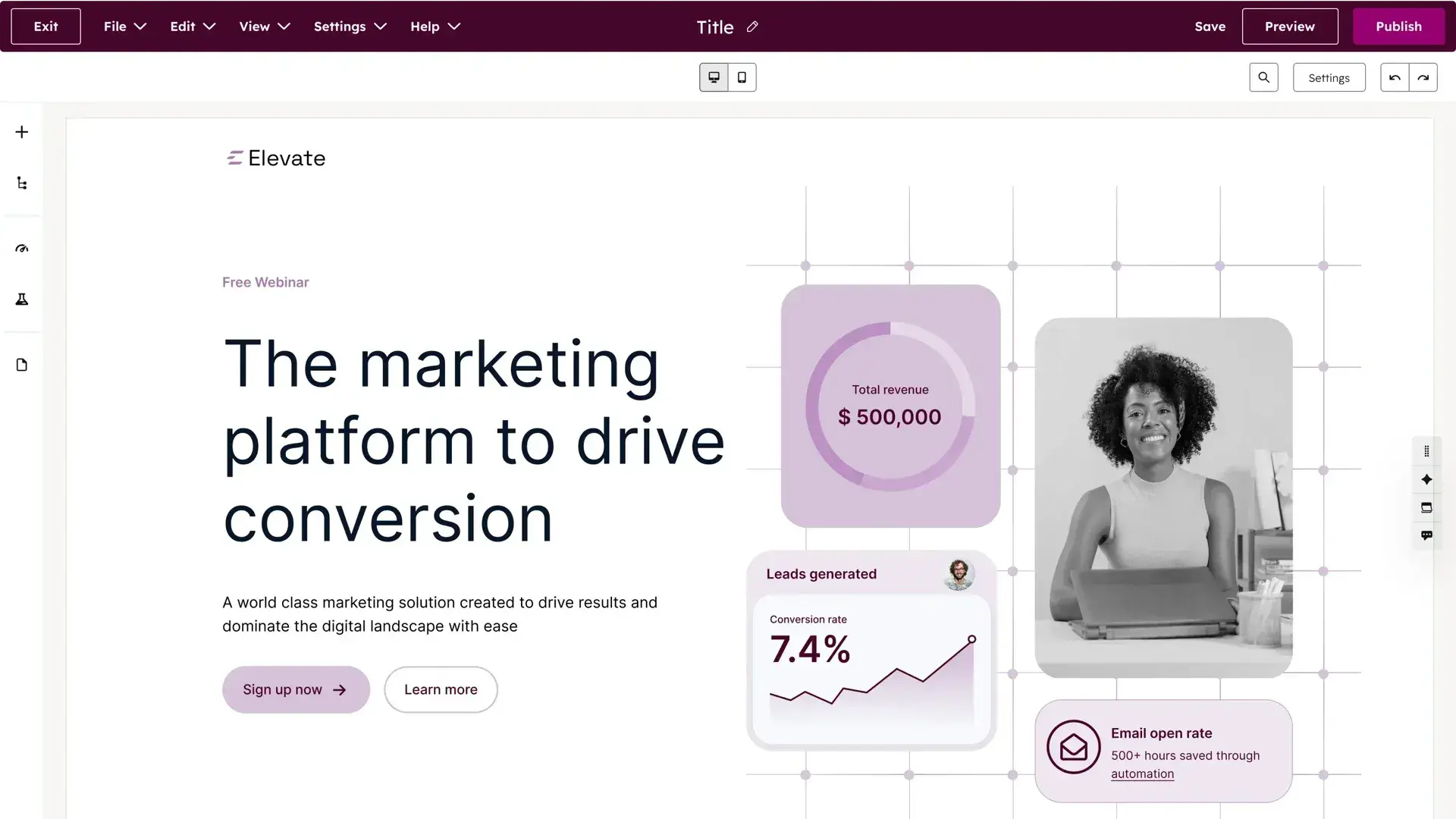
- HubSpot Content Hub (Free Version): Offers foundational content creation and SEO optimization features. Upgrading to paid plans (starting at $20/month) unlocks advanced AI content tools, lead generation attribution, and more comprehensive analytics, enabling businesses to produce and track content performance effectively.
- Surfer SEO: This platform analyzes top-ranking content for specific keywords, providing data-driven recommendations for word count, keyword density, and relevant terms. It’s ideal for teams producing SEO-focused content regularly and seeking to bridge the gap between their existing material and top search results. Plans begin at $99/month.
Backlink Research: Understanding Your Link Profile
Backlink analysis is vital for understanding a website’s authority and identifying opportunities for earning new links.
- Ahrefs (Free Backlink Checker): Ahrefs offers a free backlink checker that provides a glimpse into a website’s backlink profile. For businesses serious about link building, their paid plans (starting at $29/month for a starter plan) offer extensive data and competitor analysis capabilities crucial for scalable outreach.
- Majestic: A specialist backlink tool, Majestic provides deep link analysis with one of the longest-running independent link databases. Its plans start at $49.99/month, making it a cost-effective option for businesses prioritizing granular link intelligence.
Rank Tracking: Monitoring Search Engine Performance
Rank tracking tools are essential for monitoring keyword position changes over time, indicating the effectiveness of SEO efforts.
- Google Search Console: This free, indispensable tool from Google provides direct insights into how a website performs in search results. It offers data on search queries, indexing status, and site performance, making it the foundational tool for rank tracking for all businesses.
- SERPWatcher by Mangools: For small businesses seeking an affordable and user-friendly dedicated rank tracker, SERPWatcher offers daily position updates and clear trend visualization. Its plans start at $37.70/month, providing a significant upgrade from the broad view offered by Google Search Console for focused keyword monitoring.
Local SEO: Dominating Local Search Results
Local SEO tools are crucial for businesses aiming to attract customers within a specific geographic area.
- BrightLocal: This platform specializes in local SEO, offering citation management, review monitoring, and local rank tracking. Plans begin at $29/month, making it an accessible solution for businesses competing in local search markets, especially those managing multiple locations.
- Google Business Profile: While not a traditional "tool" in the software sense, a well-optimized Google Business Profile is fundamental for local SEO. It is free to set up and manage, providing essential information for local searchers.
Analytics and Reporting: Measuring Impact and ROI
Analytics tools connect SEO performance to tangible business outcomes, demonstrating the value of SEO efforts.
- Google Analytics 4 (GA4): The industry standard for website analytics, GA4 is free and provides comprehensive data on user behavior, traffic sources, and site interactions. It is a cornerstone for understanding how organic search traffic engages with a website.
- Looker Studio (formerly Google Data Studio): This free data visualization tool allows businesses to create shareable dashboards by pulling data from GA4, Google Search Console, and other sources. It transforms raw data into easily digestible reports, essential for communicating SEO performance to stakeholders.
- HubSpot Marketing Hub Analytics: For businesses deeply integrated with HubSpot, its analytics connect SEO performance directly to leads, pipeline, and revenue. This provides unparalleled attribution insights, showing not just traffic numbers but also the actual business impact of SEO and content efforts.
The Transition Point: When Free Becomes Insufficient
While free SEO tools are invaluable for starting out, businesses often reach a point where their limitations become apparent. As marketing efforts scale and teams become more sophisticated, these constraints can hinder progress. Common indicators that it’s time to upgrade include:
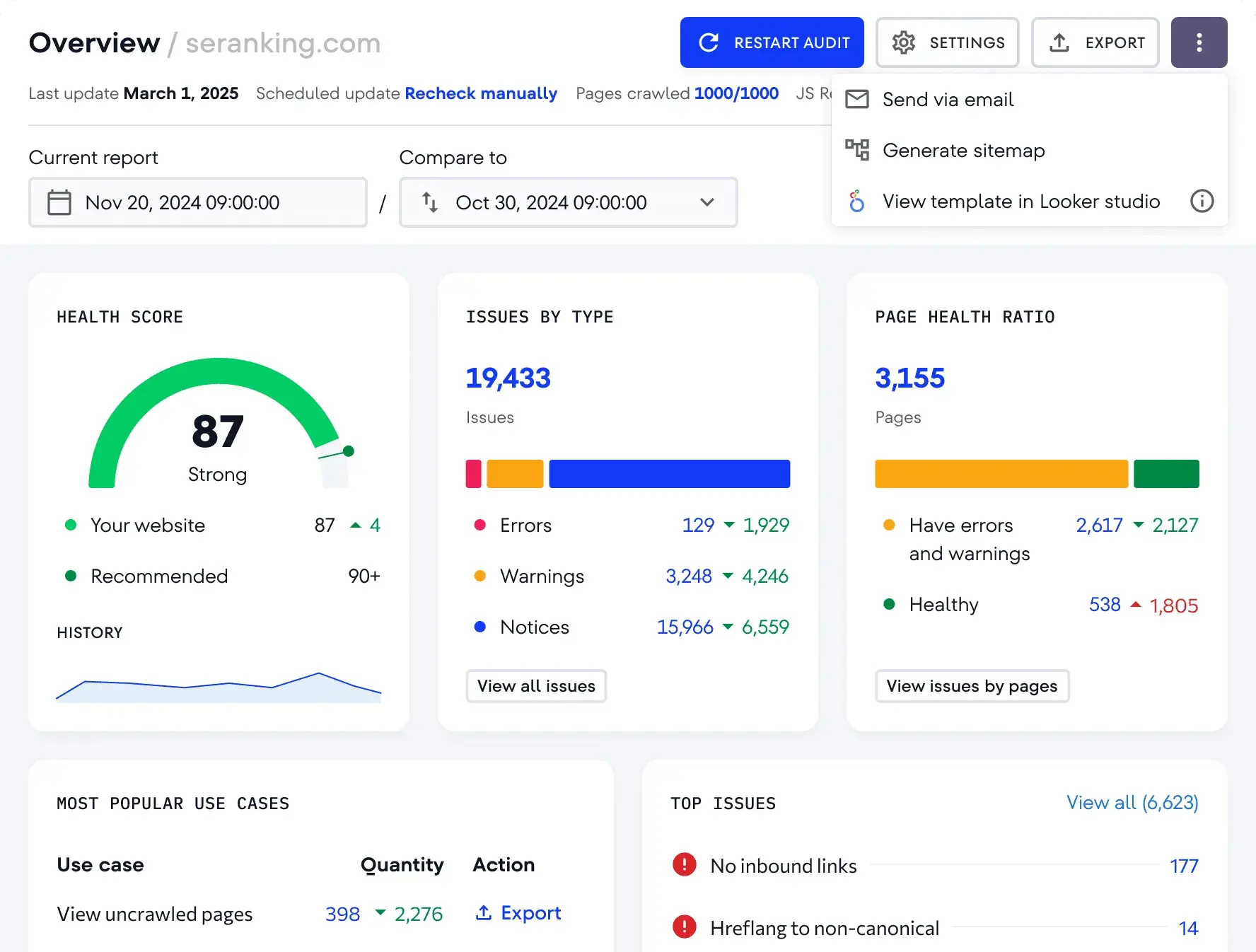
- Data Granularity and Depth: Free tools may offer basic metrics, but paid solutions provide more detailed insights into user behavior, keyword intent, and competitor strategies.
- Scalability and Automation: As website complexity grows or the volume of content increases, manual processes become unsustainable. Paid tools often offer automation features for tasks like rank tracking, reporting, and site audits.
- Competitive Benchmarking: Understanding how competitors are performing requires advanced tools that can analyze their backlinks, content strategies, and keyword rankings.
- Advanced Feature Sets: Features like in-depth technical audits, predictive analytics, and sophisticated content optimization recommendations are typically found in paid platforms.
- Integration with Business Objectives: For small businesses aiming to demonstrate ROI, connecting SEO performance directly to sales pipeline and revenue is crucial. Paid platforms, particularly integrated CRMs and marketing hubs, excel at this.
The Evolving Landscape: Answer Engine Optimization (AEO)
The advent of AI-powered search experiences, such as Google’s AI Overviews and conversational AI chatbots like ChatGPT, necessitates a shift in SEO strategy. Answer Engine Optimization (AEO) focuses on ensuring content is surfaced, summarized, and cited within these AI-generated answers.
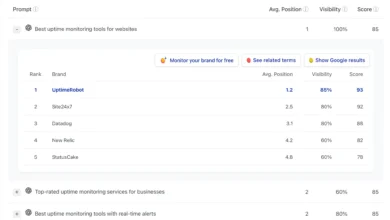
To measure AEO effectively, businesses need to monitor metrics beyond traditional rankings, including:
- Branded Mentions: How often a brand is referenced in AI answers.
- AI Citations: Which sources AI models are crediting for their information.
- Query Coverage: The extent to which a brand’s content answers a wide range of user queries.
- Visibility in AI Overviews: The presence of a brand’s information in featured AI answer snippets.
Tools like HubSpot AEO are emerging to help marketers navigate this new frontier, integrating AI search visibility tracking with traditional SEO and CRM data. This ensures that businesses can adapt their tool stacks to measure performance across both conventional search engines and emerging AI-driven answer engines.
Frequently Asked Questions About SEO Tools for Small Businesses
All-in-One vs. Specialized Tools: What’s the Right Choice?
The decision between an all-in-one SEO platform and a collection of specialized tools hinges on a business’s team size, budget, and the complexity of its workflows. All-in-one platforms can offer significant cost-effectiveness and streamlined management, especially for smaller teams. However, specialist tools may provide deeper functionality in niche areas such as advanced rank tracking or AI visibility monitoring. Many growing businesses adopt a hybrid approach, combining a core platform with a few select specialized tools to optimize their tech stack.
The Minimum Viable SEO Tool Stack This Month
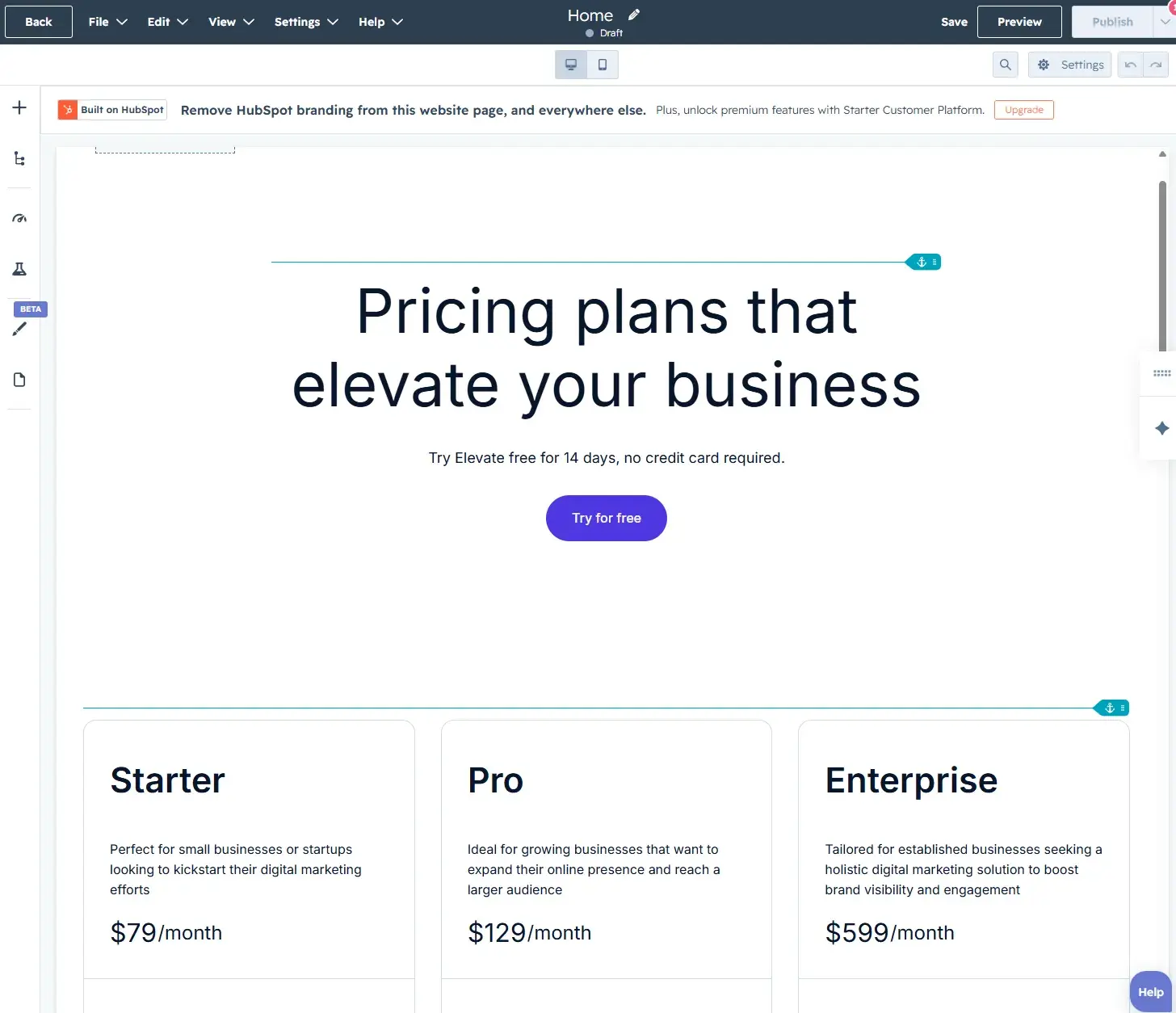
For any business, regardless of size, free Google-owned tools are an absolute necessity. At a minimum, implementing Google Search Console for performance data and Google Analytics 4 for traffic insights is crucial. Beyond these foundational tools, consider adding a rank tracking tool like SERPWatcher by Mangools for focused keyword monitoring. For content optimization and a more integrated approach, platforms like HubSpot’s Content Hub and Marketing Hub offer visibility into technical SEO, content opportunities, and lead generation, all linked to CRM and revenue data.
Integrating SEO Tools with Your Website and CRM
The true power of SEO tools is unlocked when they are seamlessly integrated with your Content Management System (CMS), analytics platform, and Customer Relationship Management (CRM) system. Connecting tools to platforms like HubSpot or WordPress allows teams to track how SEO performance directly contributes to lead generation, pipeline growth, and revenue, shifting the focus from mere rankings to tangible business outcomes.
Building a Future-Proof SEO Tech Stack
The optimal SEO tools for small businesses are those that not only facilitate current tasks and analysis but also support long-term growth and adaptability. Whether opting for a comprehensive all-in-one solution or a curated selection of specialized tools, the key lies in choosing technologies that make SEO measurable, actionable, and resilient to the ever-evolving search landscape. For businesses seeking to streamline their workflows and future-proof their digital marketing efforts, integrated platforms like HubSpot’s SEO Marketing Software and its AEO tool offer a compelling solution. These tools encompass both traditional SEO and AI search visibility, with content optimization, reporting, and CRM integration consolidated into a single, scalable platform designed to grow with any business, even into enterprise-level operations.